Kick-start your journey with this 30-day workout plan for weight loss, complete with videos and tips to prioritize nutrition, and fitness.
Starting a weight loss journey can feel overwhelming and lonely, especially when you’re unsure where to begin. Trust me, I’ve been there. One thing that truly helped me stay consistent and focused was having a clear plan in place. That’s why I created this 30-Day Workout Plan for Weight Loss to help you kick-start your journey with confidence and direction.
This isn’t just a workout plan—it’s a comprehensive guide with workout videos I personally use and love, along with actionable tips for achieving sustainable results. After struggling for over a year postpartum to lose weight, I learned valuable lessons that helped me shed 20kg and maintain it. Now, I’ve poured all that knowledge into my Weight Loss Guide, but if you’re not ready to dive into the guide yet, this 30-day plan is a fantastic place to start.
In this post, I’m not only sharing a workout plan but also addressing the bigger picture of weight loss. Did you know that exercise only accounts for about 10% of your results? The other 90% comes from your nutrition (50%) and emotional well-being (40%). That’s why I’ve included practical tips to help you focus on what truly matters, so you can see lasting changes.
This 30-day plan provides a structured schedule to take the guesswork out of your workouts and keep you consistent. Pair it with the strategies I share here, and you’ll be well on your way to achieving your goals.
This post is all about a free 30 day workout plan for weight loss!
Don’t forget to save this 30 day workout plan for weight loss pin to come back to later!

30 Day Workout Plan For Weight Loss
30 Day Weight Loss Exercise Plan With Videos
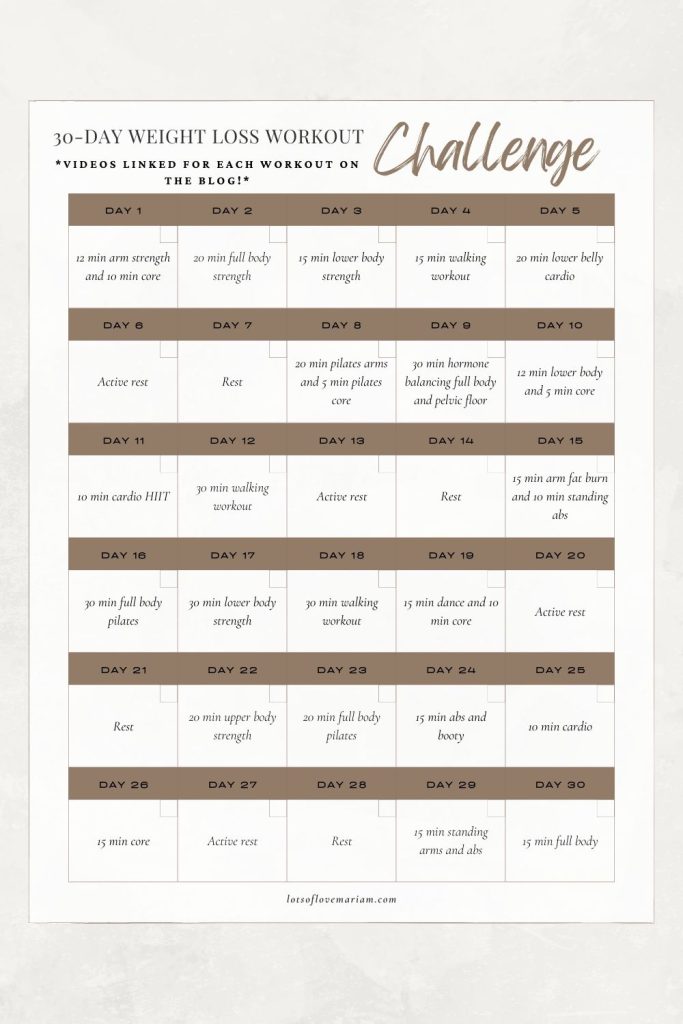
All workout names are clickable!
Day1: Arms dumbbell and standing core
Day 2: Full body strength
Day 3: Lower body strength
Day 4: Walking workout
Day 5: Lower belly walking workout
Day 6: Active rest (e.g. walking)
Day 7: Rest
Day 8: Arm pilates and pilates abs
Day 9: Full body hormone balancing and pelvic floor
Day 10: Lower body strength and core pilates
Day 11: Cardio HIIT
Day 12: 5000 steps walking workout
Day 13: Active rest
Day 14: Rest
Day 15: Arm fat burn and standing abs
Day 16: Full body pilates
Day 17: Lower body strength
Day 18: Walking workout
Day 19: Dance and pilates core
Day 20: Active rest
Day 21: Rest
Day 22: Upper body strength (make sure to do an upper body warm-up)
Day 23: Full body pilates
Day 24: Abs and booty
Day 25: Cardio
Day 26: Deep core
Day 27: Active rest
Day 28: Rest
Day 29: Standing arms and abs
Day 30: Full body strength

This weight loss guide includes every single piece of information you need to start your weight loss journey the right way! This guide includes everything that helped me lose 20kg. join over 100 people who have grabbed theirs to start their journey to a healthier version of themselves!
Other Weight Loss Posts You’ll Find Helpful:
- 6 Causes of Sugar Cravings
- 10 Best Morning Habits For Weight Loss
- Weight Loss Mistakes That Affect Progress
Other Key Factors For Weight Loss Success
Nutrition: Fuel Your Body
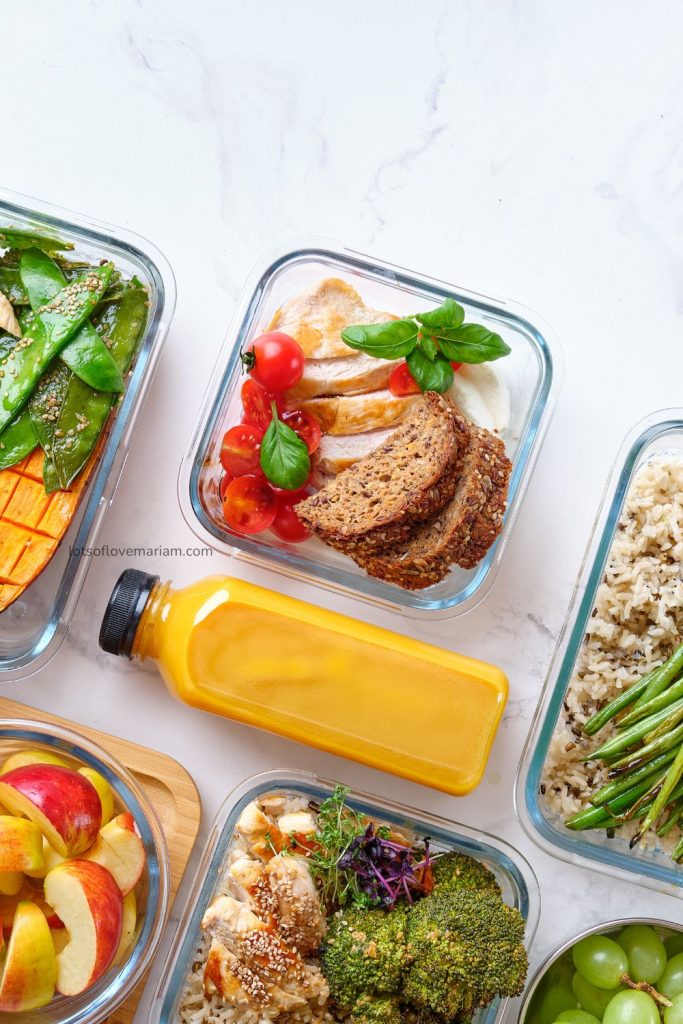
One of the biggest lessons I learned after struggling for a year to lose weight and body fat is that weight loss is 80% nutrition and 20% exercise. This means your success largely depends on focusing on what you eat—not on obsessing over calorie counting, but on adopting healthier eating habits.
For example, one of my customers who used my Weight Loss Guide successfully lost 0.5kg a week for five weeks straight by simply prioritizing nutrition and healthy eating habits based on the information in the guide. She only recently began incorporating workouts from the free 12-week workout schedule included with my guide. This is clear proof that while exercise is important, proper nutrition is the true game-changer for weight loss.
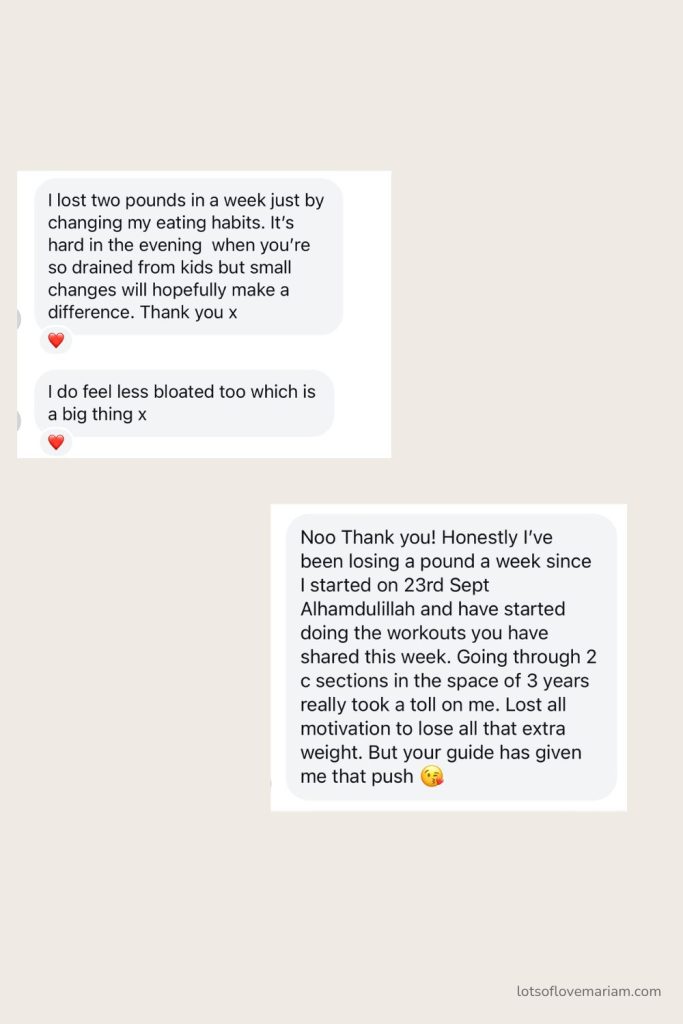
Focusing on eating whole, nutrient-dense foods while avoiding inflammatory foods like seed oils and cutting back on processed foods is key. If you’re unsure about what to include in your meals, check out my grocery list, which provides a comprehensive list of whole foods to help guide your shopping.
Another crucial reason nutrition matters is its role in managing cravings, often triggered by glucose spikes. Cravings for sugar, junk food, and carbs—or even feeling hungry soon after eating—can derail your progress. I cover how to manage these cravings in detail in my Weight Loss Guide. If you’d like to dive deeper into why these cravings happen, check out my blog post on the causes of sugar cravings.
Remember, focusing on the right foods will not only help with weight loss but also support your overall health and energy levels!
Importance Of Hydration
When it comes to weight loss, hydration is just as important as nutrition. Water plays a critical role in your body’s ability to burn fat, recover from workouts, and even regulate your glucose levels—helping to prevent fat storage. Staying hydrated boosts your metabolism, supports muscle recovery, and keeps your energy levels steady throughout the day.
Practical Tips to Stay Hydrated
- Drink a Glass of Water Before Meals: This not only helps with hydration but can also prevent overeating by making you feel fuller.
- Carry a Water Bottle Everywhere: Having water on hand makes it easier to sip throughout the day, especially during workouts.
- Flavor Your Water: Add slices of lemon, cucumber, or mint for a refreshing twist if plain water feels boring.
- Set Hydration Goals: Aim for at least 2L of water daily and adjust based on activity levels and climate.
By prioritizing hydration alongside your nutrition and workouts, you’ll set the foundation for sustainable weight loss and a healthier, more energized body. Remember, small habits—like drinking enough water—can make a big difference in your journey!

The exact water bottle I own that helps me stay consistent with drinking enough water plus it keeps my water cold for so long!
Rest & Recovery
Rest and recovery are just as important as your workouts when it comes to losing weight. Skipping rest days or neglecting sleep can lead to burnout, slower progress, and even increased cravings for unhealthy foods. To give your body the chance to repair and recharge, it’s essential to include intentional rest in your routine.
Why Rest Matters
- Prevents Burnout: Overtraining without rest can lead to fatigue, injuries, and loss of motivation.
- Promotes Muscle Recovery: Rest days allow your muscles to repair and grow stronger, which is key to building a more efficient metabolism.
- Regulates Hunger Hormones: Sleep helps balance hormones like leptin and ghrelin, which control hunger and satiety. Without proper sleep, you’re more likely to crave fatty and sugary foods.
How to Structure Rest Days
- Active Rest (1 Day per Week)
- Take a light walk, stretch, or move around the house as much as possible. Low-intensity movement promotes blood flow, which helps reduce soreness and speeds up recovery.
- Stretching or Full Rest (1 Day per Week)
- Dedicate one day to stretching or yoga to help your muscles recover and improve flexibility. This slower pace allows your body to relax and rejuvenate fully.
The Role of Sleep in Recovery
- Balances Hunger Hormones: When you don’t sleep enough, your body produces more ghrelin (which increases hunger) and less leptin (which signals fullness), making you crave calorie-dense foods.
Lowers Cortisol: Lack of sleep can elevate cortisol levels, leading to fat storage—particularly around the belly—and creating a cycle of stress and cravings
Strength Training VS Cardio For Weight Loss
Why Strength Training Is Best For Weight Loss
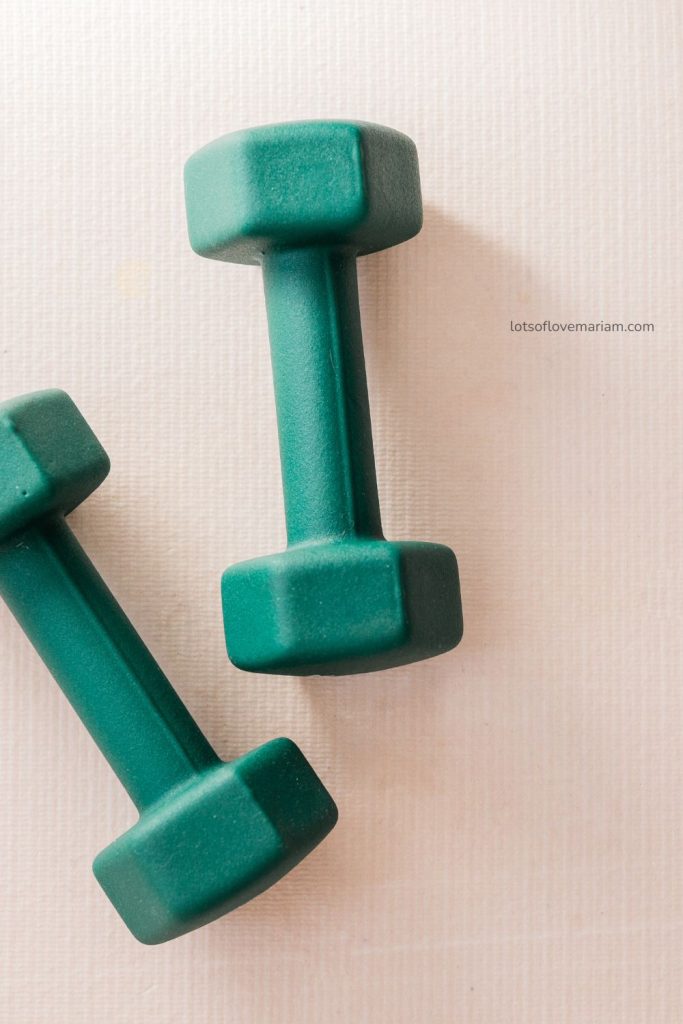
Strength training is one of the most effective tools for weight loss, and here’s why: building muscle increases your resting metabolism. This means that even when you’re not working out, your body burns more calories simply to maintain the muscle you’ve built. Unlike cardio, which primarily burns calories during the workout, strength training keeps your metabolism elevated long after you’ve finished exercising—a phenomenon known as the “afterburn effect.”
Strength Training Options for Every Fitness Level
Strength training isn’t just about lifting heavy weights at the gym. There are options for everyone, no matter your experience level:
- Lifting Heavy
- For those ready to use weights, lifting heavier loads with fewer repetitions can maximize muscle growth and strength. It’s an excellent way to challenge your body and build lean muscle efficiently.
- Light Weights and Bodyweight Workouts
- If lifting heavy feels intimidating, start with lighter weights or bodyweight exercises like Pilates, yoga, or resistance band training. These workouts still target and strengthen muscles while being accessible to beginners.
Low Impact Cardio
Many people starting their weight loss journey believe that cardio is the key to success, dedicating countless hours to intense cardio workouts. Unfortunately, this often leads to exhaustion, burnout, and a frustrating cycle of stopping and starting.
The truth? While cardio is essential—especially for heart health and stamina—intense workouts aren’t always the best approach for weight and fat loss. In fact, low-impact and low-intensity cardio is far more effective for long-term results.
Examples of Low-Impact Cardio Workouts:
- Walking
- Dancing
- Swimming
Low-impact cardio is excellent for reducing cortisol, a stress hormone that stores fat, particularly around the belly. If you’re struggling to lose weight or notice stubborn belly fat, elevated cortisol levels could be the culprit—often triggered by high-intensity, high-impact workouts.
This doesn’t mean you should avoid intense cardio altogether, but timing matters, especially for women. Cycle syncing your workouts can help you align exercise with your body’s natural hormonal changes. For example:
- During your follicular phase and ovulation, your energy is higher, making it the perfect time for intense cardio and strength training.
- In your luteal phase (two weeks before your period) and menstrual phase, cortisol levels are naturally higher. This is the time to focus on low-intensity cardio to balance cortisol, support fat burning, and aid weight loss.
Ready For Long-Lasting Results?
Starting with a 30-day plan is a great way to begin your weight loss journey. But if you’re ready to see real results and gain the knowledge you need for sustainable success, my Weight Loss Guide can help you take your efforts to the next level.
I created this guide after successfully losing 20kg and maintaining it—not without struggles. For nearly a year postpartum, I found myself gaining weight instead of losing it. It wasn’t until I identified the mistakes I was making that I finally achieved my goals. This guide is designed to help you avoid those same pitfalls and start your weight loss journey the right way.

What’s Included in the Guide?
Guide:
- Nutrition Guidance: Learn how to eat healthily, manage blood sugar, and understand why calorie counting isn’t the solution. Includes a grocery list and tips for reading food labels.
- Fitness Tips: Discover effective workouts for weight loss and learn how to listen to your body.
- Stress Management: Understand how cortisol impacts weight loss and get actionable tips to reduce stress and burn stubborn fat.
- Goal Setting: Set realistic and effective goals using a SMART goal worksheet.
Journal:
- Weekly Goal Tracker: Plan and track your weekly goals to stay motivated and accountable.
- Workout Planner: Organize your workouts, with a free 12-week workout schedule delivered to your email after purchase.
- Meal Planner: Stay on track with a meal planner featuring water and nutrient intake trackers.
- Grocery List: Use a shopping template with a bonus link to 10 FREE healthy snack and dessert recipes.
- Self-Care Checklist: Incorporate daily self-care activities to manage stress and improve well-being.
- Weekly Review & Gratitude Journaling: Reflect on your progress, celebrate wins, and plan for the week ahead.
- Measurement & Weight Tracker: Monitor your progress beyond the scale with dedicated measurement and weight trackers.
Who Is This Guide For?
- Those who want to lose weight and keep it off sustainably.
- Anyone looking to stop binge eating and enjoy food without obsessing over calories.
- Individuals focused on reducing body fat, not just weight.
- Those wanting to understand which foods to eat and avoid while shopping.
- Anyone ready to feel their healthiest and turn weight loss into an enjoyable, lasting lifestyle.
This post was all about a free 30 day workout plan for weight loss!
Don’t forget to save this pin on Pinterest to come back to later!

This post may contain affiliate links, which means I’ll receive a commission if you purchase through my link, at no extra cost to you. Any purchases made through Affiliate links are massively appreciated as they help to support the blog and continue its production. Please read the full disclosure here.

Leave a Reply