Tangier travel guide with 11 must-know tips for first-time visitors—covering taxis, cash, safety, SIM cards, haggling, and more.

Planning a trip to Tangier? You’re in for a treat! Tangier is one of the most beautiful and culturally rich cities in Morocco. It’s a coastal gem where Europe meets Africa — a city full of charm, history, and calm energy that sets it apart from busier tourist hubs like Marrakech. If you’re wondering “Is Tangier worth visiting?” — the answer is 100% yes.
This Moroccan city is becoming a popular tourist destination for good reason. From stunning viewpoints like Cape Spartel and the legendary Cave of Hercules to the buzzing atmosphere of the Grand Socco, there’s plenty to explore. But like any travel destination, there are a few things that can catch first-time visitors off guard — especially when it comes to transportation, money, and cultural norms.
Luckily, my dad gave me a heads-up before our trip, so I already knew how things worked — and it made a huge difference! That’s why I put together this Tangier travel guide: to help you avoid confusion and feel more confident navigating the city.
Whether you’re wondering “Is Tangier safe?” or just want practical Tangier travel tips, this guide covers the key things to know before visiting. You’ll learn how to get around, what to expect with taxis, how to avoid common tourist traps, and a few local tips that will make your stay smoother.
If you’re still in the early stages of planning, make sure to check out my post on 9 Best Things to Do in Tangier, Morocco to help build your itinerary.
This post is all about the ultimate Tangier travel guide!
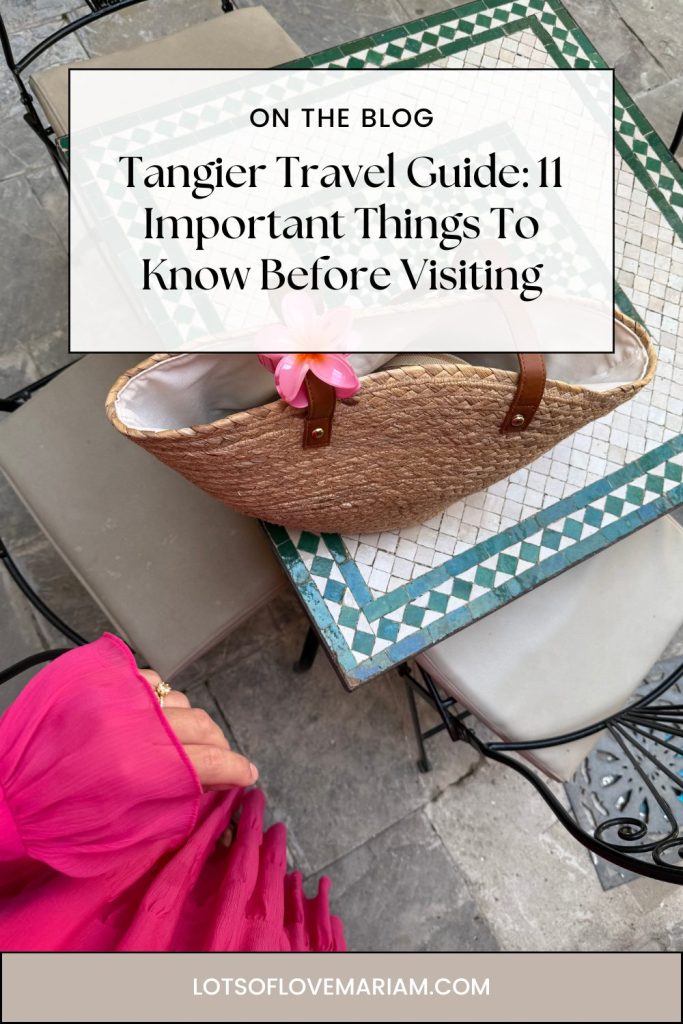
Don’t forget to save this Tangier travel guide pin to come back to later!
Tangier Travel Tips: Everything You Need To Know
1. Cash Is Essential
In Tangier, cash is king — especially in markets, small shops, cafés, and taxis. Many places don’t accept card payments at all, so it’s important to always carry enough Moroccan dirhams with you.
If you prefer to pay by card, ask in advance before ordering food or making a purchase, as some businesses might say they accept cards but then encourage you to pay in cash instead. This is often because card payments result in fees or delays for the business. Even if they do have a card machine, they’ll often politely ask if you can pay in cash instead.
To avoid awkward situations, just assume cash will be needed unless clearly stated otherwise — it’ll save you time and stress during your trip.
2. Avoid Paying by Card When Exchanging Money at the Airport
If you need to exchange money at the airport when you arrive in Tangier, try to pay with cash — not card. While the exchange rate may look similar to what you’d find in the city, the hidden fees can be steep when using a card.
For example, we exchanged around £150 using a card and were charged nearly £25 in commission — much more than expected. Even if they tell you the rate is better when paying by card, it often isn’t worth it once the extra fees are added on.
3. Taxis Are Shared — and Not Ideal for Groups
In Tangier, taxis don’t work the same way as in many other countries. Most petit taxis operate on a shared basis, meaning the driver can stop and pick up other passengers heading in the same direction — even if you’re already in the taxi.
Another thing to keep in mind: most taxis only carry up to 3 passengers. So if you’re in a group of 4 or more, you’ll likely struggle to find a taxi willing to take you all together.
4. Use the inDrive App to Avoid Taxi Hassles
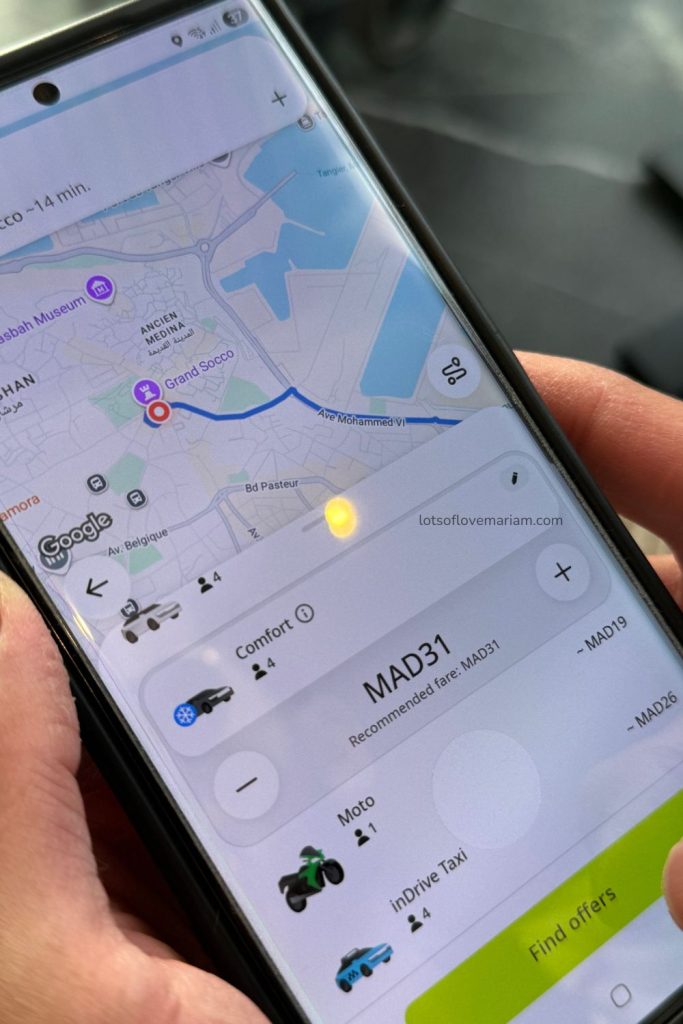
If you want to avoid the stress of finding a taxi or worrying about getting overcharged, I highly recommend using the inDrive app — it works just like Uber. Our hotel recommended it to us, and it made getting around Tangier so much easier.
Although inDrive isn’t fully legalised in Morocco yet, it’s still widely used by both locals and tourists. You might be asked to move slightly away from official taxi stands when getting picked up, or your driver may drop you off a minute or two away from busy areas like Grand Socco, especially if there’s a police presence nearby. Don’t worry — this has nothing to do with you, it’s just that drivers want to avoid being reported by local taxi unions.
That said, the app is growing in popularity and may even be fully legal by the time you visit.
Why use inDrive?
- You’ll see the price upfront, so no haggling or surprises.
- It’s often cheaper than local taxis, who may charge tourists more.
- You pay in cash at the end of the ride — just be sure to carry enough with you, as card payment isn’t currently available.
- It’s ideal for groups or late-night travel when taxis are harder to find.
We used inDrive multiple times during our trip, and the rides were always smooth, affordable, and stress-free.
5. Always Haggle — Even with Taxi Drivers
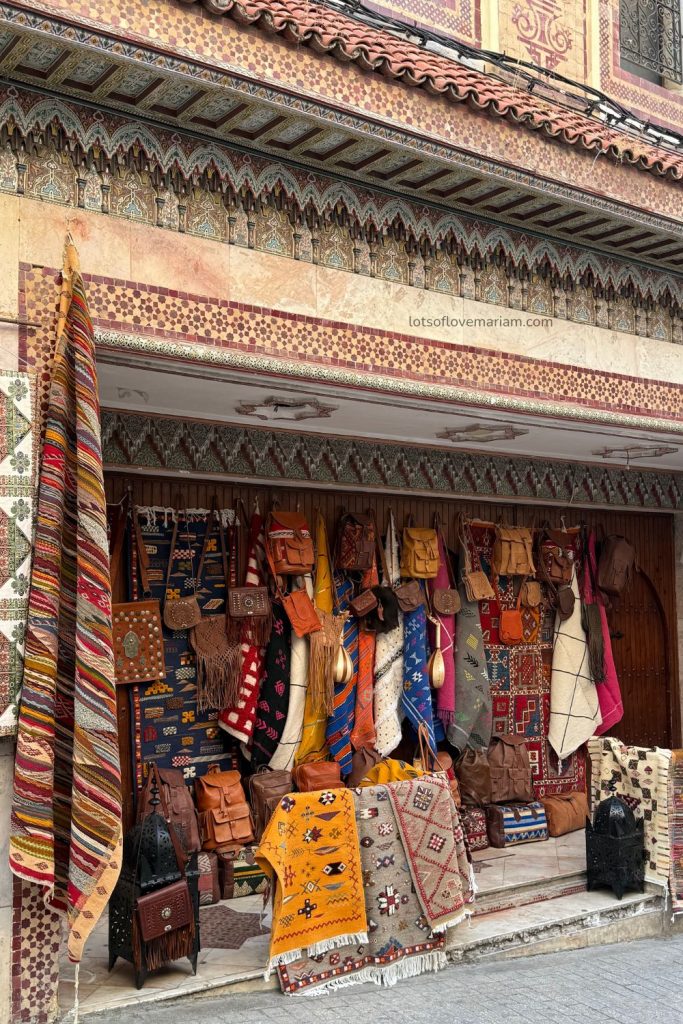
In Tangier, haggling is completely normal — and expected. Tourists are often quoted higher prices than locals, especially in places like the medina, Petite Socco, and market stalls. So whether you’re shopping for souvenirs, hiring a beach chair, or even hopping into a local taxi, it’s important to ask the price upfront and be ready to negotiate politely.
Don’t worry about offending anyone — haggling is a natural part of the culture in Morocco. Vendors expect it, and in most cases, the first price is never the final price.
Tip: Have a rough idea of what things should cost so you know when a price is too high. Be friendly but firm, and don’t be afraid to walk away if it doesn’t feel fair — chances are, they’ll call you back with a better offer!
6. Tourist Sites: Non-Moroccans Pay More Than Locals
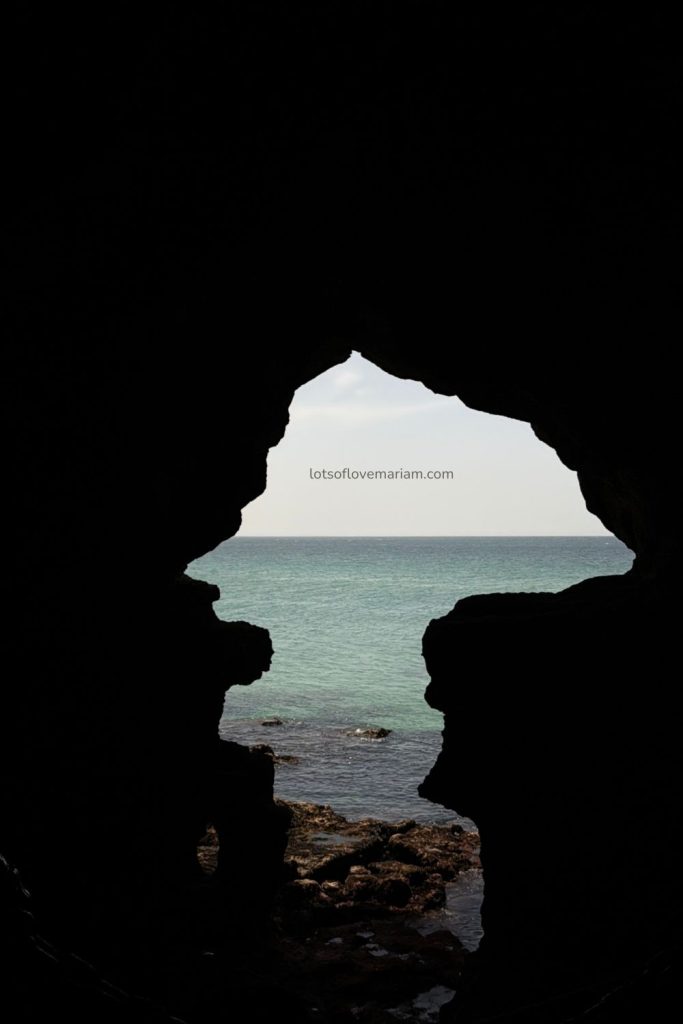
If you’re visiting popular attractions in Tangier like the Cave of Hercules, be aware that ticket prices are higher for non-Moroccans. This is common across many countries — for example, we experienced the same thing in Doha at the Museum of Islamic Art, where Qatari residents/citizens paid less than foreign visitors.
In Tangier, Moroccan citizens — even those living abroad — usually pay a lower rate than international tourists. For instance, at the Cave of Hercules, Moroccans (including people who live abroad like myself) pay around 30 dirhams, while non-Moroccans are charged 80 dirhams.
Tip: Don’t take it personally — it’s a standard pricing system across Morocco and other parts of the world. Just be aware of it when budgeting for entry fees at major sites.
Other Tangier Posts You’ll Also Find Helpful:
7. Is Tangier Safe?
Yes, generally. Tangier is safe, but petty theft (like pickpocketing) can happen in busy areas. Keep bags zipped and valuables secure, especially in crowded markets.
8. Languages Spoke
The main language spoken in Tangier is Arabic, but you’ll also hear a lot of French, which is widely used in everyday life. In some areas, especially near the coast, you might hear Spanish as well — a reflection of Tangier’s history and proximity to Spain.
English is spoken in many tourist areas, particularly around the port, hotels, restaurants, and shops that cater to visitors. While it’s not as commonly spoken as French or Arabic, you’ll still find people who can communicate in basic English, especially in more popular spots.
9. Friday Closures Are Temporary
Many shops and restaurants close briefly for Friday prayers, but they often reopen afterward. You’ll still be able to find food and shopping most of the day. But just keep this in mind that usually between 12-1pm most shops will be closed.
10. Best SIM Card To Get In Morocco
If you’re planning to stay connected during your trip, Maroc Telecom is one of the most reliable SIM card providers in Morocco, with strong coverage throughout Tangier and beyond. You can purchase a SIM card at the airport for convenience.
Vendors might try to upsell you on the most expensive package, but if you’re staying for about a week, 100 dirhams (around £8) is more than enough. That typically gets you 5GB of data plus local call time, which is plenty for things like Google Maps, messaging, and booking cabs (inDrive).
Tip: Avoid Inwi, another local provider that many people — including locals — find unreliable. Their data tends to run out faster and coverage isn’t as good.
11. Beach Tip: Chair & Umbrella Rental Costs

You can rent a chair and umbrella at the beach for around 30–50 dirhams. If you’re quoted more, it’s likely a tourist markup — feel free to negotiate because they shouldn’t charge you more than 50 dirhams!
This post was all about the ultimate Tangier travel guide!
Don’t forget to save this pin on Pinterest to come back to later!
This post may contain affiliate links, which means I’ll receive a commission if you purchase through my link, at no extra cost to you. Any purchases made through Affiliate links are massively appreciated as they help to support the blog and continue its production. Please read the full disclosure here.

Leave a Reply