Discover the truth behind common fitness myths. Learn how to avoid misconceptions and get accurate tips for effective workouts and better health results.
A few weeks ago, I shared 10 weight loss myths that can actually hinder your progress and impact your health. This week, I want to focus on some of the most common fitness myths that might be affecting your results and making it harder to stick to your fitness routine.
The main goal of this post is to highlight these fitness myths and debunk them, showing you what truly matters in your fitness journey. These myths are so widespread that they often seem like the truth. Many of us, myself included when I first started, encounter these misconceptions at the beginning of our fitness journey, which can negatively impact our progress.
When I learned the real fitness facts that lead to lasting results, I started seeing the best physical and mental benefits. By sharing these myths and the truths behind them, I aim to help you change your approach to fitness. This will enable you to adopt a realistic and sustainable routine, ensuring that these fitness myths no longer hold you back.
I hope that by learning about these fitness myths, you’ll start seeing better results and, most importantly, begin truly enjoying your fitness journey!
This post is all about 7 common fitness myths.
7 Common Fitness Myths
Myth 1: Lifting Weights Makes Women Bulky
One common misconception in fitness is that lifting weights will make women bulky. This belief leads many women to avoid weight-lifting and strength training altogether. However, lifting weights alone won’t cause women to look bulky or masculine. Women typically have lower levels of testosterone compared to men, making it difficult to gain large muscle mass.
In reality, weight training offers numerous health and physical benefits. It helps women develop a toned, lean physique by increasing muscle definition and decreasing body fat. Unlike cardio alone, which primarily burns calories during the activity, weight training boosts metabolism and burns calories even at rest.
Additionally, as we age, we naturally lose muscle mass, which can lead to various issues, including an increased risk of injury. Strength training helps combat this muscle loss, ensuring better health and functionality as we get older. Not only does it sculpt your body and enhance your appearance, but it also supports long-term health and well-being.
Here are some of the benefits you’ll experience when you add strength training to your routine:
- Enhanced Muscle Tone: Weight lifting helps to sculpt and define muscles, giving a toned appearance.
- Increased Metabolism: Building muscle increases metabolic rate, helping to burn more calories even at rest.
- Bone Health: Strength training improves bone density, reducing the risk of osteoporosis.
- Functional Strength: Improved muscle strength aids in everyday activities and reduces the risk of injury.
So next time you’re worried about adding strength training to your routine – now you know that it won’t make you look masculine and will benefit you in the long term!
Myth 2: Longer Workouts Are Better

One of the most common misconceptions about exercise is the belief that longer workouts are better. I fell for this myth myself, which prevented me from getting into shape during my first year postpartum and negatively impacted my health. It wasn’t until I learned the truth that I started seeing the best results.
Many people think that spending extended hours at the gym (or even at home) is the key to achieving better fitness results. This myth suggests that the longer you exercise, the more benefits you will gain. The misconception leads people to believe that if a 30-minute workout is good, then a 2-hour workout must be even better.
In reality, the effectiveness of a workout is not solely determined by its duration. Instead, it is influenced by its intensity, quality, and how well it aligns with your fitness goals.
Longer workouts can sometimes lead to an increase risk of injury and burnout, which just results in inconsistency. Shorter workouts can be just as, if not more, effective in improving cardiovascular health, building strength, and burning calories.
Moreover, shorter workouts are easier to fit into a busy schedule, making it more likely for you to stay consistent and achieve long-lasting results.
So, instead of focusing on the length of your workouts, prioritize the quality and intensity. This approach will help you achieve better results without spending countless hours at the gym.
Related Blog Post: 10 Minute Workouts For A Busy Schedule
Myth 3: The Gym Is A Must To Get Results
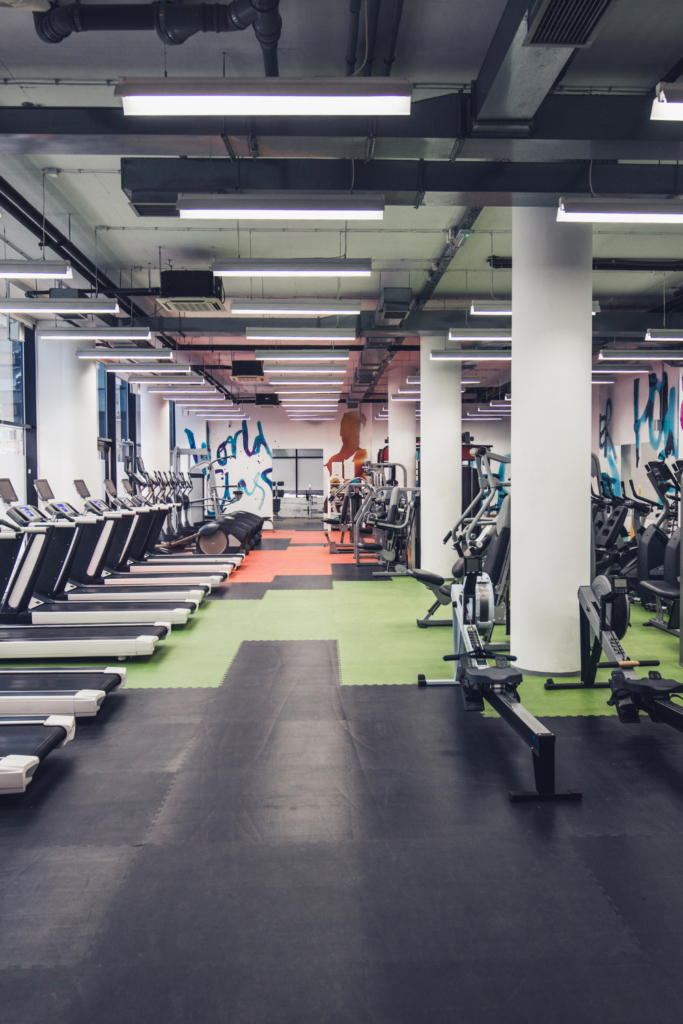
Many people believe that a gym is essential for achieving great fitness results. I fell for this fitness myth too, which is another reason why it took me a whole year postpartum to start my fitness journey.
This misconception leads many people to skip workouts entirely, thinking they can’t achieve their goals without a gym. When they can’t make it to the gym, they often don’t exercise at all, preventing them from starting their fitness journey.
While gyms offer various equipment and resources that can enhance workouts, they are not necessary for achieving results. Many effective exercises can be performed at home, outdoors, or in other settings, using minimal or no equipment. Bodyweight exercises, resistance bands, and simple weights like dumbbells can be incredibly effective for building strength, endurance, and overall fitness.
I lost 20 kg by doing 15-30 minute home workouts five times a week with just a few pieces of equipment. I have a blog post with 10 home workout essentials to get you started and to show you that you don’t need a gym to get an effective workout or the best results.
Related Blog Posts:
Myth 4: Ab Exercises Will Get You Abs
It took me a while to realize this was a myth, but there’s a widespread misconception that ab exercises alone will get you abs or help you lose belly fat. While ab exercises can strengthen and tone your core muscles, they won’t lead to visible abs on their own.
Achieving a toner belly is primarily about reducing overall body fat through a combination of diet, cardiovascular exercise, and strength training. Visible abs are more about fat loss than spot training, which is why eating well is crucial if you want a flat belly. This ties back to the popular saying, “abs are made in the kitchen.”
To achieve visible abs, a holistic approach is essential. Here are some strategies to help you on your journey:
- Balanced Diet: Focus on a healthy, balanced diet rich in proteins, whole grains, vegetables, and healthy fats.
- Cardio Workouts: Engage in regular cardiovascular exercise such as running, cycling, swimming, or HIIT to help burn calories and reduce body fat.
- Strength Training: Incorporate full-body strength training routines to build muscle and boost metabolism, aiding in fat loss.
- Core Exercises: While they won’t burn fat specifically from your abdomen, core exercises are essential for building a strong and stable core.
- Consistency and Patience: Achieving visible abs takes time and dedication. Consistent exercise, a healthy diet, and patience are key.
Myth 5: Morning Is The Best Time To Workout

While morning workouts can set a positive tone for your day, clear your mind, and boost your energy levels, it is a complete myth that mornings are the best time to work out for everyone. You shouldn’t feel pressured to force yourself into morning workouts if it doesn’t fit your lifestyle.
The truth is, the best time to work out is the time you can stick to consistently. For example, as a mum who needs to take care of my child in the morning, the best time for me to work out is usually between 11 AM and 1 PM.
Tips for finding your ideal workout time:
- Listen to Your Body: Pay attention to when you feel most energetic and strong.
- Experiment: Try working out at different times of the day to see what works best for you.
- Consistency: The most crucial factor is maintaining a regular workout routine, regardless of the time.
- Schedule and Lifestyle: Choose a time that fits your daily schedule and allows you to stick with your fitness plan long-term.
Myth 6: Stretching Before You Workout
Many people believe that stretching before a workout is essential to prevent injury and enhance performance. This myth suggests that traditional static stretching, like bending to touch your toes and holding the position, is the best way to prepare your muscles for exercise. However, stretching and warming up are two different activities.
Static stretching before a workout can actually increase the risk of injury and reduce performance. Instead, you should focus on warming up properly, which involves light cardio and dynamic stretches related to the exercises you plan to do.
Warming up is crucial for preparing your body for physical activity, while static stretching is more beneficial post-workout for flexibility.
Here is what you should be focusing on:
- Warm-Up: Start with 5-10 minutes of light cardio to increase your heart rate and body temperature. This can include activities like jogging, jumping jacks, or cycling.
- Dynamic Stretching: Incorporate stretches that involve movement and mimic the range of motion of your planned workout. Dynamic stretches help activate the muscles and joints you will be using. For example, if you plan on working out your lower body, then dynamic stretches such as walking lunges, hip circles, and lateral lunges are good examples!
Myth 7: More Sweat Equals A Better Workout

There is a common misconception that sweating more during a workout means it’s more effective – i believed this for over a year. This caused me to constantly push myself and if I didnt break a sweat I felt like I didn’t workout.
This myth suggests that heavy sweating directly indicates the number of calories burned, workout intensity, and overall fitness benefits.
While sweating does show that your body is working hard, it’s not a reliable measure of workout quality. Factors like temperature, humidity, and your individual physiology greatly influence how much you sweat.
For example, the same workout might barely make you sweat in winter, but in the summer, with temperatures over 25°C, you could be drenched in sweat. This happens to me all the time!
So, if you finish a workout and haven’t sweated much, it doesn’t mean the workout wasn’t effective. Remember, your body’s response to sweat is influenced by various factors, and a good workout is not defined by how much you sweat.
This post was all about 7 common fitness myths that are holding you back!
I hope you found this helpful!
Make sure to follow my socials – Instagram, Pinterest, TikTok, Facebook, Amazon Storefront, and LikeToKnowIt – for more healthy lifestyle content!
Lots of love, Mariam x
If you found this post helpful, make sure to save this pin on Pinterest to come back to later!
This post may contain affiliate links, which means I’ll receive a commission if you purchase through my link, at no extra cost to you. Any purchases made through Affiliate links are massively appreciated as they help to support the blog and continue its production. Please read the full disclosure here.

Leave a Reply