Explore practical techniques that will help you relieve stress in order to enhance your well-being and foster a healthier, more balanced lifestyle
Stress is the most common mental health issue that we all deal with. Realizing its impact on our overall well-being got me searching for ways to ease the pressure, especially when life gets overwhelming. Stress is just a part of life – some feel it more than others. But what really matters is how we deal with it. Whether stress hits you hard or just every now and then, it’s crucial for everyone to have ways to relieve stress when it gets too much.
If you’re just starting your health and wellness journey, get ready for an eye-opener! It took me months to figure out that reaching overall health – whether you’re boosting your immune system or working on fitness goals like weight loss or muscle gain – is all about recognizing how mental and physical health are connected. If you ignore one, you’re holding back the success of the other. So it is important to find stress reliever activities that work best for you, as some may not be as effective on you as they are on someone else.
In this blog post, I aim to explain what stress is and discuss some of the signs that often go unnoticed until they reach a critical point. Additionally, I’ll share a few self-care activities specifically designed to relieve stress. Moreover, I’ll also show you how you can incorporate some of these activities into your daily routine, to help you manage your stress levels daily.
After reading this, do let us know your stress management tips that help you relieve stress in your toughest days.
This post is all about 5 ways to relieve stress instantly.
Relieve Stress

What Is Stress?
Stress, as defined by the World Health Organization, is a state of worry or mental tension often triggered by challenging situations. Now, there’s good stress, the kind that nudges us to tackle daily tasks. Personally, when I feel this positive stress, it motivates me to complete my blogging and content creation work, knowing that finishing tasks will bring a sudden sense of relief.
However, too much stress can take a toll on both our mental and physical health. Let’s break it down:
Mental Health:
- Anxiety and Worry: Regular stress can lead to heightened levels of anxiety and excessive worry, something I’ve experienced during stressful periods.
- Depression: Long-term, unmanaged stress may trigger symptoms of depression, impacting our overall mental well-being.
- Mood Swings and Irritability: Stress can cause irritability, mood swings, and a reduced ability to cope with everyday challenges.
- Sleep Disturbances: Stress can disrupt sleep patterns, contributing to difficulties falling or staying asleep.
Physical Health:
- Cardiovascular Issues: Chronic stress is associated with an increased risk of heart disease and high blood pressure.
- Weakened Immune System: Stress weakens the immune system, making the body more susceptible to illnesses and infections. Check out my blog post on maintaining a healthy gut, where I touch on how stress affects gut health. Click HERE for the blog post.
- Digestive Problems: Stress may contribute to digestive issues like indigestion, acid reflux, and irritable bowel syndrome (IBS). Personally, I’ve noticed increased bloating during high-stress periods.
- Skin Conditions: Conditions like eczema and psoriasis can worsen with heightened stress levels.
How To Relieve Stress
Recognising Signs Of Stress
The first step to helping you manage and relieve stress is by recognizing the signs of stress. Spotting these signs early can help you take steps to care for yourself and prevent the mental and physical health issues mentioned above. Here are some common signs of stress:
Physical Signs:
- Headaches
- Muscle Tension: Feelings of tightness and pain, especially in the neck, shoulders, and back.
- Fatigue: Feeling tired or worn out, even after a good night’s sleep.
- Sleep Troubles: Difficulty falling asleep, staying asleep, or having restful sleep.
- Upset Stomach: Issues like nausea, indigestion, or changes in bowel habits.
- Chest Pain or Palpitations: Stress may contribute to chest pain or a rapid heartbeat.
Emotional Signs:
- Irritability: Becoming more sensitive, impatient, or easily irritated by small stressors.
- Anxiety: Experiencing excessive worry, restlessness, or a sense of impending doom.
- Depression: Feeling sad, hopeless, or lacking interest or pleasure in activities.
- Mood Swings: Quick shifts from happiness to sudden upset or anger.
- Feeling Overwhelmed: Struggling with everyday tasks and responsibilities.
- Lack of Concentration: Difficulty focusing, making decisions, or finishing tasks.
Behavioral Signs:
- Sleep Pattern Changes: Dealing with insomnia, oversleeping, or disrupted sleep.
- Procrastination: Putting off tasks or avoiding them due to feelings of being overwhelmed.
- Nervous Habits: Engaging in repetitive behaviors like nail-biting or pacing.
- Social Withdrawal: Avoiding social interactions and seeking isolation.
- Decreased Productivity: Struggling to maintain usual levels of productivity at work or in personal life.
5 Tips To Reduce Stress
Activities To Relieve Stress
Self-care is the most powerful way to help relieve stress. It is crucial for maintaining overall well-being. Self-care involves intentional actions and practices that you engage in to promote your physical, mental, and emotional health. Here are 5 powerful self-care techniques that can help you relieve stress instantly:
Deep Breathing for Stress Relief

Before I started doing breathing exercises, I thought just sitting and focusing on breathing to relieve stress was a bit silly. But, after trying it myself, I can say it actually works. Sometimes, when I’m overwhelmed while working, just pausing for 5 minutes to do a breathing exercise gives me sudden stress relief.
Here’s how deep breathing helps relieve stress:
- Focused Attention: Deep breathing exercises involve paying attention to your breath. This mindfulness helps shift your focus away from stressors, promoting a calmer mental state.
- Cortisol Regulation: Deep breathing can regulate cortisol, the main stress hormone. Regular practice may reduce overall stress and anxiety levels.
Curious about how to practice deep breathing exercises? Here’s a simple guide:
- Find a comfortable spot to sit or lie down.
- Place one hand on your chest and the other on your abdomen.
- Inhale deeply through your nose, allowing your abdomen to rise as your lungs fill with air. Keep your chest relatively still.
- Exhale slowly and completely, either through your mouth or nose, feeling your abdomen fall as you release your breath.
- Continue this deep breathing, focusing on the rhythmic pattern and the gentle rise and fall of your abdomen.
- Dedicate 5-10 minutes to this practice when you start feeling overwhelmed.
Physical Activity To Relieve Stress
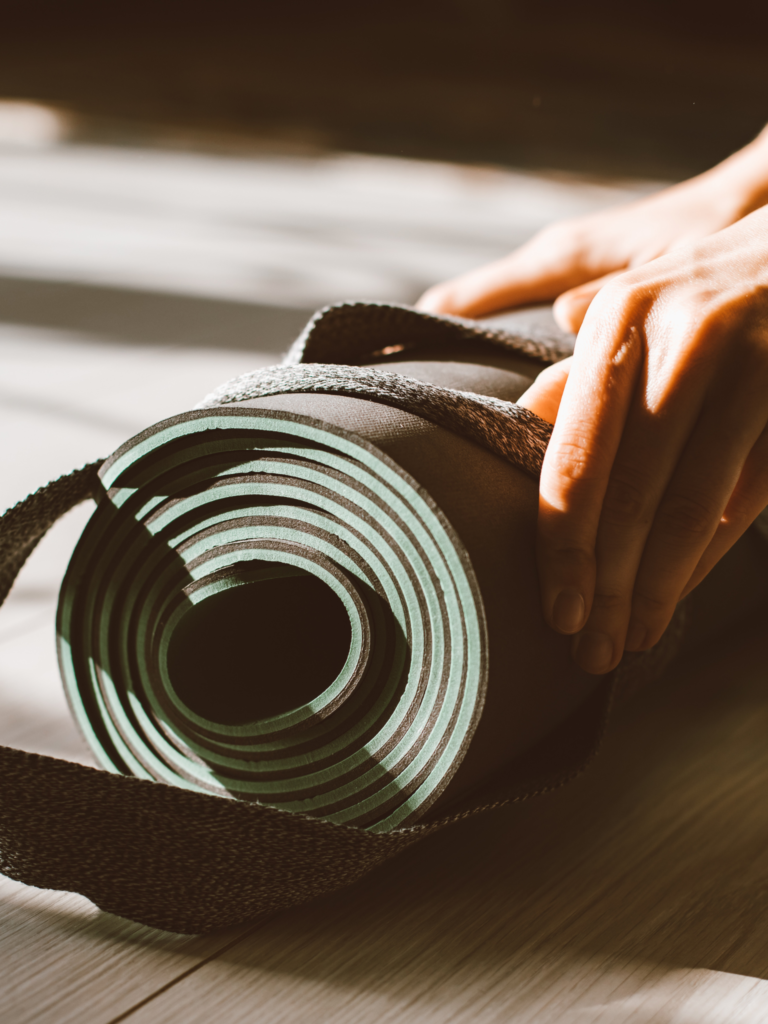
Exercise, even just a walk, can reduce stress by releasing ‘happy hormones.’ Personally, a 10-minute stretch routine instantly calms my mind and makes me feel better. Besides the release of endorphins, here’s how exercise helps relieve stress:
- Cortisol Reduction: Exercise regulates cortisol levels, keeping the body’s stress hormone in check.
- Improved Sleep: Regular exercise is linked to better sleep quality, contributing to stress reduction.
- Muscle Relaxation: Physical activity helps release muscle tension, promoting relaxation.
- Shift in Focus: Exercise provides a break from daily stressors, offering mental relief and a positive outlook.
Take a Break
When overwhelmed, take a break. Stop everything for 10, 30 minutes, or even the whole day. I’ve found this makes a huge difference. If I’m stressed while working on my blog, I take an hour for a workout or fresh air. If my focus doesn’t return, I take the whole day off. Remember, taking breaks is productive—it benefits you later!
Prioritize Important Tasks
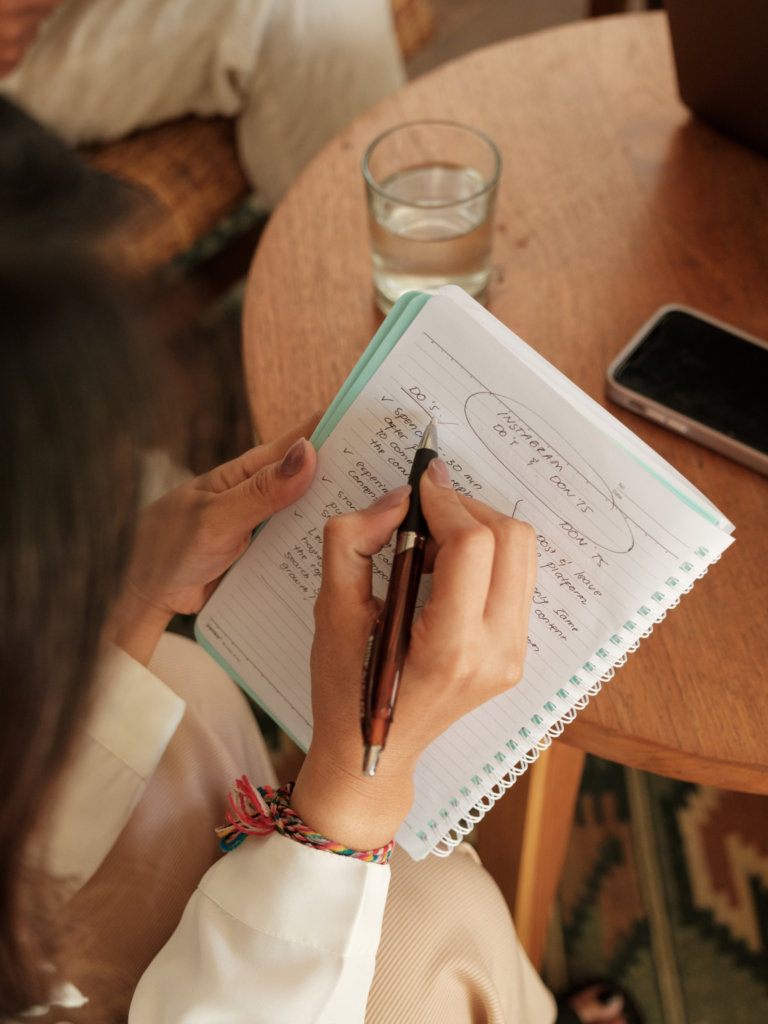
Feeling overwhelmed often comes from a long to-do list. Prioritize tasks by importance, starting with the most crucial. This way, if you can’t finish everything, completing the most important tasks brings relief.
You may be wondering, how is prioritizing tasks a form of self-care? Well, it’s a subtle yet powerful act that aids in diminishing overwhelm and significantly lowers the likelihood of stress creeping into your day.
Practice Gratitude
Pause and focus on the present. Write down or think about everything you have right now. Acknowledging gratitude takes your mind off future worries and can relieve stress. I recently published my very own gratitude journal with prompts and weekly challenges to help you become your best and healthiest version. The weekly challenges include self-care challenges, a routine checklist, and so much more!

If you’re in a different market, message me on Instagram @lotsoflovemariam, and I’ll send you the link for your country!
Adopting Self-Care Into Your Daily Routine To Relieve Stress
The self-care activities I mentioned earlier are things you can easily fit into your daily life when stress starts creeping in. Personally, creating a daily routine with these self-care moments has made a big difference in managing my stress and keeping it in check. On those overwhelming days, I often turn to one of the activities I listed, especially the “take a break” one.
Here are some simple ways to weave self-care into your daily routine for a less stressful life:
1. Slow Morning Routine:
- Starting your day at a gentle pace can calm your mind and body before things get crazy. I’ve been leaning into more slow mornings, and it’s been a game-changer for managing stress. Check out my blog post HERE for ideas on creating your slow morning routine.
- Some of the stress reliever activities that I mentioned above that can be included in your slow morning routine are gratitude, physical activity (a stretch), and deep breathing.
2. Night Routine:
- Just as crucial as your morning routine, a night routine sets the tone for a calm evening. Especially if mornings are rushed, a soothing night routine is key to incorporating self-care into your day. It not only relieves stress from the day but also prepares you for the next. For calming night routine ideas, visit my blog post HERE for some inspiration.
By adding these simple self-care practices to your daily rhythm, you can effectively manage stress and set the stage for more peaceful days.
Embracing daily self-care rituals and incorporating mindful practices can significantly contribute to relieving stress. By prioritizing moments of relaxation, implementing deep breathing exercises, and fostering a supportive routine, you empower yourself to navigate life’s challenges with greater ease.
I hope you found this helpful and do let us know in the comments below your stress management tips.
Make sure to follow my socials – Instagram, Pinterest, TikTok, Amazon Storefront, and LikeToKnowIt – for more healthy lifestyle content!
Lots of love, Mariam x
If you found this post helpful, please share it on Pinterest with others by clicking on the image and the Pinterest sign. Thank you!
*This post may contain affiliate links, which means I’ll receive a commission if you purchase through my link, at no extra cost to you. Any purchases made through Affiliate links are massively appreciated as they help to support the blog and continue its production. Please read the full disclosure here.
This post was all about habits for success.
Other posts you may also like:

Leave a Reply