Start adopting healthy eating habits this week with these 11 simple tips to improve your diet and boost overall well-being.

Starting healthy eating habits can feel overwhelming, especially if you’re unsure where to begin. That’s exactly why I created this post—to share 12 healthy eating habits that you can start implementing this week.
My biggest piece of advice? Don’t try to change everything at once. Instead, choose 1-3 habits from this list to focus on and gradually build on them. This approach helps you stay consistent and makes the process feel much more manageable.
Whether your goal is to adopt healthy eating habits to lose weight, improve your energy levels, or simply enjoy the many benefits of healthy eating habits, these 12 tips are designed to work for you, no matter what.
Unfortunately, unhealthy eating has become so normalized that when someone prioritizes nutritious eating habits (e.g., eating balanced meals or focusing on whole foods), it’s often assumed they’re on a diet. The truth is, healthy eating isn’t about dieting—it’s about creating a sustainable lifestyle that nourishes your body and helps you feel your best. By starting small and staying consistent, you can build a foundation of healthy eating habits that stick for the long term.
This post is all about healthy eating habits!
Don’t forget to save this healthy eating habits pin to come back to later!

12 Healthy Eating Habits
1. Focus On Consistency, Not Perfection
Before I get into the healthy eating habits, it’s important to remember one key principle: consistency over perfection. These habits are meant to set you on a path toward healthier choices, but the key is to start small. Instead of overwhelming yourself by trying to adopt all the habits at once, I recommend choosing just 1-3 habits to focus on this week.
By taking things step by step, you’re more likely to create sustainable habits that stick, rather than burning out and giving up quickly. Healthy eating isn’t about being perfect—it’s about creating a balanced lifestyle you can maintain long-term. Building these habits gradually makes the process more manageable and increases your chances of staying consistent for life.
2. Eat Whole Foods
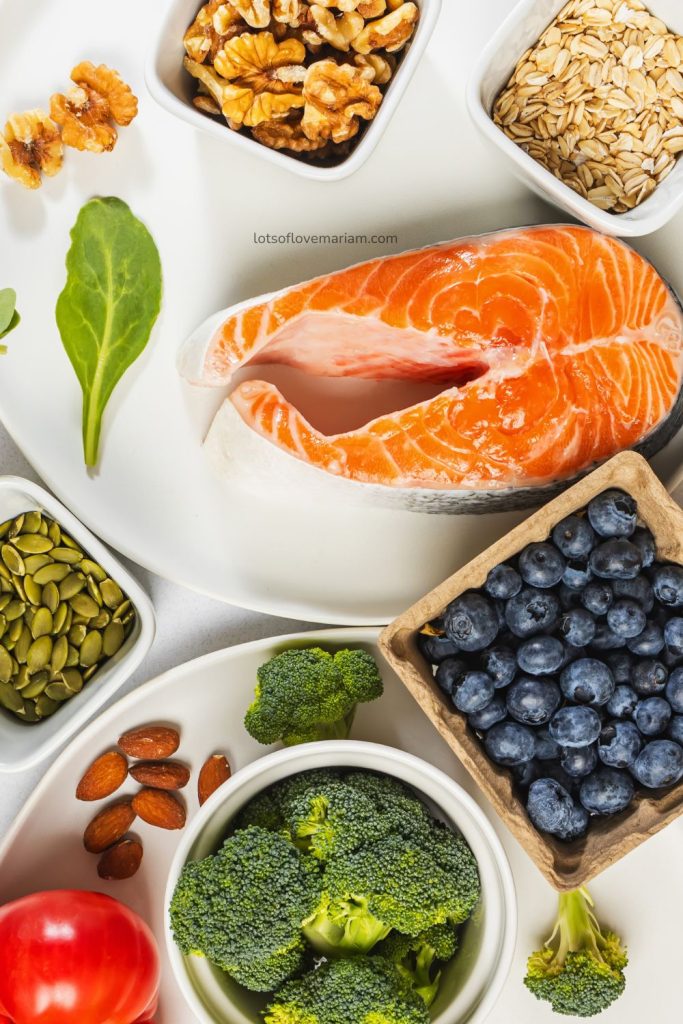
Whole foods are the foundation of a healthy diet. These are natural, minimally processed foods that contain just one ingredient—for example, fruits, vegetables, meats, chicken, fish, eggs, whole grains, and milk. Incorporating more whole foods into your meals ensures you’re fueling your body with essential nutrients, vitamins, and minerals while avoiding unnecessary additives and preservatives.
While processed foods marketed as “healthy” (like certain plant-based patties or packaged snacks) might seem like good options, they often contain hidden sugars, unhealthy fats, or artificial ingredients. By focusing on whole foods, you’re giving your body what it truly needs to thrive.
3. Learn To Read Food Labels
When shopping for processed foods like tomato sauce, bread, butter, or cheese, it’s crucial to understand how to read food labels. Many products that appear healthy at first glance can contain hidden ingredients that make them less nutritious.
For example, tomato sauce might seem like a wholesome choice, but a closer look at the ingredient list often reveals added preservatives, sugars, seed oils, stabilizers, and artificial flavorings. What should be a simple, healthy product can quickly turn into something overly processed.
Bread is another common example. Store-bought bread can contain 30–50 ingredients, many of which are unnecessary. Compare this to sourdough bread, which typically includes just 4–6 basic ingredients: flour, water, salt, and natural starter. This simplicity is what bread should be, and it’s a great reminder to choose foods made with minimal, recognizable ingredients.

This weight loss guide includes every single piece of information you need to start your weight loss journey the right way! This guide includes everything that helped me lose 20kg. join over 100 people who have grabbed theirs to start their journey to a healthier version of themselves!
4. Cook At Home

Cooking at home is one of the best healthy eating habits you can adopt. While ready-made or frozen meals might seem convenient and even healthy at times, the truth is you have no control over how they’re prepared. Many of these meals are cooked with unhealthy ingredients like seed oils (e.g., sunflower or vegetable oil), added preservatives, and hidden sugars.
By preparing your meals at home, you get to decide exactly what goes into your food. For instance, if you’re frying chicken, you can use healthier alternatives like ghee or avocado oil instead of processed seed oils. This small change alone makes a big difference in the quality of your meal.
This approach also applies to takeaways. If you frequently order takeout, try switching to “fakeaways”—homemade versions of your favorite takeout meals. For example, instead of ordering pizza, make your own homemade pizza. Not only do fakeaways let you enjoy the foods you love, but they also give you complete control over the ingredients, ensuring your meals are healthier and better suited to your dietary goals.
5. Balanced Meals
Creating balanced meals is essential for maintaining stable blood sugar levels and ensuring your body gets all the nutrients it needs. A well-balanced plate should include protein, fiber, healthy fats, and a moderate portion of carbohydrates. This combination not only helps you stay full for longer but also supports steady blood sugar and insulin levels.
Balancing blood sugar is crucial because consistently high blood sugar can lead to health problems, including insulin resistance and an increased risk of diabetes. By focusing on balanced meals, you can support your overall health and reduce energy crashes throughout the day.
Here’s how to create a balanced plate:
- Protein: Include a high-quality source like chicken, fish, eggs, tofu, or legumes. Protein supports muscle repair, keeps you feeling satisfied, and slows down sugar absorption.
- Fiber: Add vegetables, fruits, or whole grains. Fiber aids digestion, promotes gut health, and helps slow the release of glucose into your bloodstream.
- Healthy Fats: Include fats like avocado, nuts, seeds, olive oil, or ghee. Healthy fats are essential for hormone regulation and help your body absorb fat-soluble vitamins.
- Carbohydrates: Choose complex carbs like quinoa, brown rice, sweet potatoes, or whole-grain bread. These release energy slowly and prevent blood sugar spikes.
Example of a Balanced Meal: Grilled salmon (protein) with a side of roasted vegetables (fiber), a drizzle of olive oil (healthy fat), and a serving of quinoa (carbs).
6. Eat Slowly And Mindfully
Eating slowly and mindfully is one of the best habits for improving digestion, balancing blood sugar levels, and preventing overeating. When you eat slowly, you give your body the time it needs to recognize when you’re full, which helps you avoid consuming more food than you actually need.
On the other hand, eating too quickly can lead to overeating, as your body doesn’t have enough time to signal satiety before you’ve finished your meal.
Mindful eating also encourages better portion control. By paying attention to how much food it takes to make you feel satisfied, you’ll naturally learn to serve yourself the right amount in the future. For example, if you’ve been over-serving yourself, eating slowly allows you to stop before you finish everything on your plate, helping you adjust your portions the next time you eat the same meal.
Other Posts You’ll Find Helpuful:
7. Hydrate
Proper hydration helps with digestion, nutrient absorption, energy levels, and even appetite regulation. Often, feelings of hunger can actually be a sign of dehydration, leading to unnecessary snacking when your body simply needs water.
Here’s how to make hydration a priority:
- Drink water first thing in the morning: Start your day with a glass of water to rehydrate after a night of sleep. This helps kick-start your metabolism and wake up your body.
- Carry a reusable water bottle: Having water with you throughout the day makes it easier to stay consistent with your intake. Choose a bottle with measurement markers to track your progress.
- Set reminders: If you often forget to drink water, set alarms or use a hydration app to remind you.
- Add flavor if needed: If plain water isn’t appealing, try infusing it with natural flavors like lemon, cucumber, mint, or berries.
- Drink water before meals: This not only keeps you hydrated but also helps control portion sizes by reducing the likelihood of overeating.
How much water should you aim for? While the general recommendation is about 8 cups (2 liters) per day, your needs may vary depending on factors like activity level, weather, and body size. A good rule of thumb is to check the color of your urine—clear or light yellow indicates proper hydration.
8. Don’t Restrict
One of the most effective ways to maintain healthy eating habits is by avoiding restrictive diets and embracing balance instead. Following the 80/20 rule is a great approach: aim to eat nutritious, wholesome foods 80% of the time while allowing yourself to enjoy your favorite indulgences for the remaining 20%.
This approach ensures that you’re not cutting out the foods you love entirely, which can often lead to feelings of deprivation and make it harder to stick to healthy habits. Knowing you can enjoy a treat now and then creates a positive mindset around food and naturally motivates you to eat healthier most of the time.
9. Savoury High Protein Breakfast
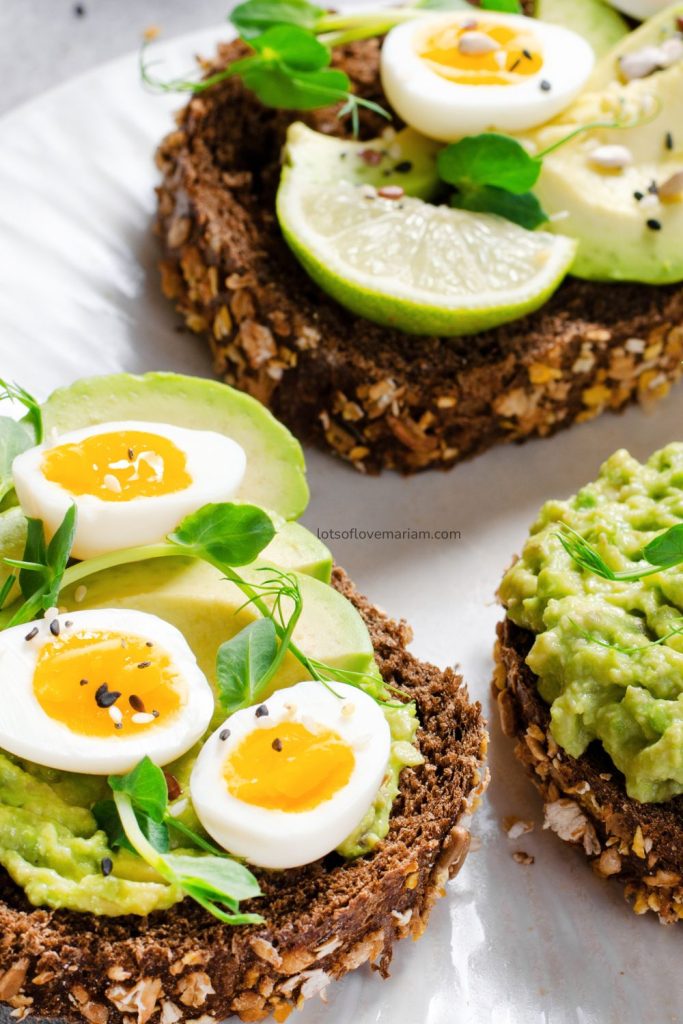
You’ve probably heard the saying, “Breakfast is the most important meal of the day.” While there’s truth to that, the quality of your breakfast is what truly matters—not just the act of eating something.
Starting your day with a high-carb or sugary breakfast, like cereal, croissants, or toast with Nutella, can lead to blood sugar spikes and crashes, leaving you feeling sluggish and hungry soon after. In fact, skipping breakfast altogether may have less of a negative impact than consuming these types of meals.
Instead, focus on a savory, high-protein breakfast to fuel your body the right way. Protein helps stabilize blood sugar levels, supports cortisol regulation, and provides steady energy throughout the day. This not only keeps you feeling fuller for longer but also reduces cravings and prevents energy dips later on.
10. Healthy Snack Alternatives
Making the switch to healthier snacks was a game changer for me, and it can be for you too! I used to love snacking on crisps and biscuits, but finding healthier alternatives has not only improved my overall eating habits but also benefited my family. Instead of reaching for processed snacks, consider swapping them for more wholesome options that nourish your body.
For example, try munching on nuts or homemade popcorn instead of crisps. Nuts are packed with protein and healthy fats, while homemade popcorn is a satisfying, fiber-rich snack you can season however you like. Another great swap is a Greek yogurt bowl with fresh berries and a few pieces of chopped dark chocolate, which provides antioxidants and healthy fats, rather than sugary biscuits.
Making small swaps like these helps you stay on track with your health goals while still satisfying your cravings. Plus, these alternatives keep you feeling fuller for longer, making it easier to avoid overeating later in the day. For more healthy snack ideas and tips, check out my full blog post on finding the best alternatives for your favorite snacks.
11. Plan Your Meals
One of the best habits for maintaining a healthy eating lifestyle is planning your meals ahead of time. When you take the time to prep and organize your meals for the week, you make healthier choices easier and reduce the temptation to grab unhealthy snacks or opt for takeout. Meal planning helps you stay on track with your nutritional goals and ensures you’re eating balanced meals without the stress of last-minute decisions.
For example, you could plan your meals around a variety of whole foods—lean proteins, healthy fats, and lots of fruits and vegetables—while including options that are both satisfying and nourishing. This eliminates the need for quick, less nutritious food choices that often lead to energy crashes or overindulging.
If you’re looking for an easy way to get started, I’ve created a free meal planner that you can download and start using today! It will help you plan your meals with ease, making it simpler to stick to your healthy eating habits and stay organized. Download the planner now and begin planning your meals for the week ahead!
This post was all about healthy eating habits!
Don’t forget to save this pin on Pinterest to come back to later!
This post may contain affiliate links, which means I’ll receive a commission if you purchase through my link, at no extra cost to you. Any purchases made through Affiliate links are massively appreciated as they help to support the blog and continue its production. Please read the full disclosure here.

Leave a Reply